If you have been hanging around The Daily Dose for a bit, you already know how I talk about botanicals — straight talk, label-first, and no miracle promises.
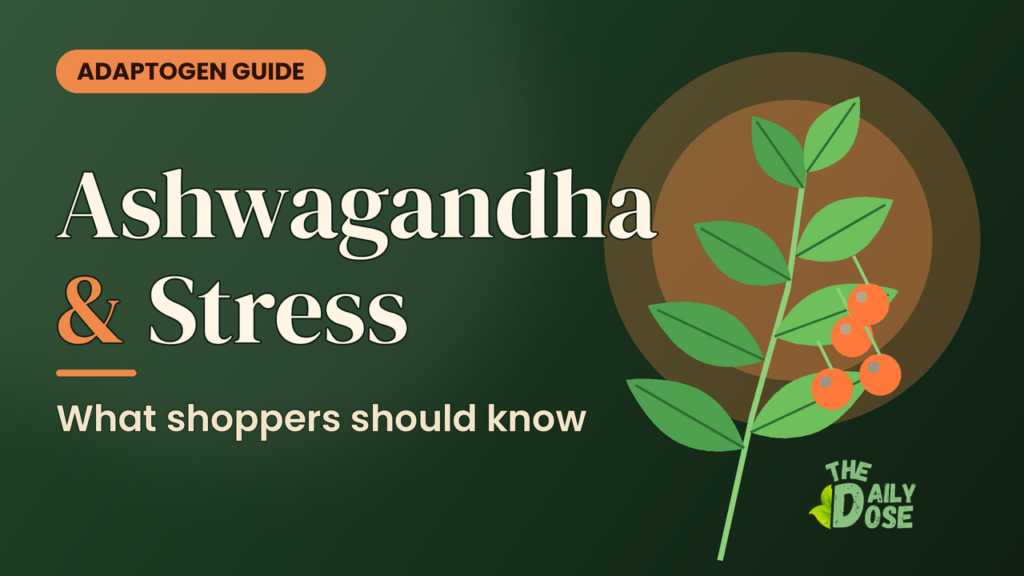
Lately the question I get a lot sounds like this: “Mike, what should I know about ashwagandha for stress before I buy a bottle?” Fair. Adaptogen shelves are crowded. Some shoppers want capsules with a clear root extract story. Others want a gummy habit that is easier to stick with. The hard part is matching format to your routine — not chasing the loudest claim on the pouch.
Today I want to walk you through what ashwagandha is in plain language, why shoppers look at it for everyday stress support, how our Root Organix capsules compare to our ashwagandha gummies, and the safety notes I always give before anyone adds a product to their cart. If evening calm in a different botanical lane is more your speed, see Kava for Anxiety and Stress. If daytime focus is the real bottleneck, start here: Best Nootropics for Focus. If sleep timing is the issue, see CBD Gummies with Melatonin for Sleep.
This is educational shopping guidance, not medical advice. These wellness products are not intended to diagnose, treat, cure, or prevent any disease — including anxiety disorders or clinical stress conditions. Read labels, start low, one change at a time, and talk with a qualified clinician if you have health conditions, take medications, are pregnant or nursing, or have thyroid / autoimmune questions.
Key Takeaways
- Ashwagandha (Withania somnifera) is an adaptogen root shoppers often explore for situational stress support and everyday resilience routines — not as a substitute for professional care.
- People shop ashwagandha for stress when they want a plant-based option that fits daytime or wind-down habits; results and timing vary person to person.
- Capsules (like Root Organix 120ct) suit measured, label-clear root servings; gummies suit chewable convenience — pick the format you will actually use correctly.
- Responsible habits: pregnancy/nursing caution, thyroid/autoimmune/med interactions → clinician first; start low; do not stack multiple new calm products on day one.
- Research on ashwagandha and stress markers is evolving — shop with realistic expectations and label-first habits, not miracle claims.
Table of Contents
- What Is Ashwagandha?
- Why Shoppers Look at Ashwagandha for Stress
- Capsules vs Gummies: How Our Two Picks Compare
- How to Shop and Use (Label-First Habits)
- Safety and Responsible Use
- How to Choose + Shop CTAs
- FAQ
What Is Ashwagandha?
Ashwagandha is a root from the plant Withania somnifera, used for centuries in traditional wellness systems and now common on modern adaptogen shelves. In a shop context, you will usually see root powder capsules, standardized extracts, or flavored gummies built around ashwagandha root extract.
Two ideas I clarify on the podcast all the time:
- Adaptogen as shopper language — “Adaptogen” is a category label people use for botanicals marketed around stress-support routines. It is not a promise that any bottle will “fix” your week. Treat it as aisle shorthand, then read the Supplement Facts.
- Root extract vs marketing story — Labels may mention root extract strength, serving size, or withanolide-related language depending on the brand. Your job is simple: confirm what is in your bottle, follow the serving directions, and ignore hype that sounds like a medical outcome.
When I talk about ashwagandha in the shop, I keep it practical: it lives in the stress-support / calm-resilience lane for many customers — distinct from caffeine stacks and distinct from sleep gummies. Match the product to the routine you actually live.
Why Shoppers Look at Ashwagandha for Stress
People usually land on ashwagandha for stress for day-to-day reasons like these:
- They want a plant-based option for situational stress — busy seasons, long shifts, or weeks when the nervous system feels “on”
- Coffee and focus stacks already did their job, and they want support that does not add more stimulant noise
- They prefer a named root with a clear cultural backstory over mystery “calm blend” proprietary stacks
- They are building a consistent wellness habit and want capsules or gummies they can take on a schedule
Here is the honest part: interest in ashwagandha for stress is real, and so is mixed, evolving research. Some studies and reviews explore ashwagandha extracts and stress-related measures; quality, extract type, and serving size still matter. My job as a retailer is not to promise outcomes. It is to help you match format to lifestyle, read labels, and stay within responsible use.
Important framing: situational stress-support shopping is not the same as treating an anxiety disorder. If stress or anxiety is persistent, severe, or interfering with daily life, talk with a qualified healthcare professional. Ashwagandha products at The Daily Dose are wellness purchases — educational shopping only.
Capsules vs Gummies: How Our Two Picks Compare
In the shop I usually split ashwagandha into two practical lanes: root capsules for measured, no-flavor servings, and gummies for chewable convenience. Both can fit a stress-support routine; the “better” pick is the one you will actually take correctly within label guidance.
Ashwagandha Root Capsules 120ct (Root Organix) — measured root format
Ashwagandha Root Capsules 120ct Root Organix is the pick when you want a straightforward capsule habit. Capsules travel well, skip candy flavors, and make serving size more automatic — as long as you stick to the label. A 120ct bottle is a solid fit if you already know you prefer capsules over gummies.
Capsule tips from the shop floor:
- Follow the serving size and timing notes on your bottle
- Start lower than you think you need for the first few days so you can learn how you respond
- Take it at a consistent time of day so the habit sticks (morning with breakfast is common for many shoppers — still verify your label)
- Do not stack a second new calm product the same week unless a clinician has guided you — one change at a time
Ashwagandha Root Extract Gummies — chewable convenience
Ashwagandha Root Extract Gummies are the pick when you want extract convenience without swallowing capsules. Gummies can be easier for people who hate pill fatigue, travel with a pouch, or prefer a flavor cue that marks “I took my serving.”
Gummy tips:
- Read the extract amount and servings-per-day on the Supplement Facts — front-of-pouch marketing is not the dose
- Useful when you want a chewable habit you will actually remember
- Store sealed, cool, and away from kids (they look like candy)
- Do not “chase” with extra gummies the same window because the first hour felt quiet
Quick comparison
- Want measured, no-flavor root capsules → Ashwagandha Root Capsules 120ct Root Organix
- Want chewable extract convenience → Ashwagandha Root Extract Gummies
- Want to browse the wider stress-support aisle → Stress Relief Supplements
- Optional adjacent adaptogen (different plant — not a stack-on-day-one) → Calm Zen Rhodiola Rosea Extract Capsules — introduce only after you understand your first product
How to Shop and Use (Label-First Habits)
Sixty-second shopper filter I use in person:
- Is your goal situational stress support / adaptogen interest — or sleep onset? (Sleep lane: CBD + melatonin guide.)
- Do you want capsules or gummies?
- Have you cleared pregnancy/nursing, thyroid/autoimmune history, and medications with a clinician when needed?
- Will you start low, one product only, for at least a week of consistent label use before judging?
Consistency beats “hero dosing.” Give a label-respecting routine enough quiet days to evaluate — and stop if anything feels off.
Safety and Responsible Use
I will say this the same way I say it on the podcast: plant medicines and adaptogens deserve respect. Ashwagandha is no exception.
- Pregnancy and nursing: Skip ashwagandha unless a qualified clinician has specifically cleared it for you. When in doubt, do not use.
- Thyroid and autoimmune: Ashwagandha can interact with thyroid-related and immune-related considerations for some people. If you have a thyroid condition, autoimmune history, or take related medications, talk to a clinician before buying.
- Medications and sedation: If you take prescription meds (including for mood, blood pressure, blood sugar, or immunosuppression), ask a clinician or pharmacist about interactions before combining.
- Start low, one change at a time: Do not stack ashwagandha with kava, rhodiola, L-theanine, and a sleep gummy on night one. Learn one variable.
- Driving and focus: If anything feels sedating or “heavy” for you, do not drive or operate machinery.
- Quality habits: Buy from retailers you trust, read ingredient lists, and avoid mystery bulk with no clear serving story.
None of this is meant to scare you off education — it is meant to keep shopping honest. Calm routines are not worth reckless stacking.
How to Choose + Shop CTAs
Ready to browse:
- Shop Ashwagandha Root Capsules 120ct (Root Organix)
- Shop Ashwagandha Root Extract Gummies
- Browse Stress Relief Supplements
- Optional adjacent pick (after your first product is settled): Calm Zen Rhodiola Rosea Extract or L-Theanine Extract Capsules (Root Organix) — still one change at a time
Same-day shipping is available for orders placed before 5pm PST on business shipping days. Email Help@thedailydose.co if you want a recommendation based on what you have already tried — still educational, still label-first.
FAQ
Is ashwagandha for stress a cure or treatment for anxiety?
No. Ashwagandha products sold as wellness supplements are not intended to diagnose, treat, cure, or prevent anxiety disorders or any other disease. Think educational shopping for situational stress support — and get clinical care when symptoms are ongoing or severe.
Capsules or gummies — which should I buy first?
If you want measured, no-flavor servings and a larger count bottle, start with Ashwagandha Root Capsules 120ct Root Organix. If you want chewable convenience, start with Ashwagandha Root Extract Gummies.
Can I take ashwagandha with kava, CBD, or melatonin?
Some shoppers explore different evening or stress lanes across our guides — including kava and CBD + melatonin. That does not mean stacking freely is smart. Introduce one product at a time, respect every label, and ask a clinician before combining — especially if you take other medications.
How long until I notice something?
It varies by person, format, and serving. Give a consistent, label-respecting routine enough days before you judge. If nothing useful shows up — or anything concerning does — stop and reassess with professional guidance.
Is the research settled?
No. Interest in ashwagandha for stress is longstanding in traditional use and modern retail, but evidence quality and product differences continue to evolve. Shop with curiosity and caution, not with miracle expectations.
Soft Disclaimer
This post is educational shopping guidance from The Daily Dose — a practical buyer’s overview of ashwagandha formats, responsible-use notes, and products we stock. It is not medical advice and these products are not intended to diagnose, treat, cure, or prevent any disease. Always read product labels, start low, one change at a time, and consult a qualified healthcare professional about your personal situation before use — especially if you are pregnant, nursing, managing thyroid or autoimmune conditions, or taking medications.