To checkout the full episode click here: The Daily Dose Podcast Audio
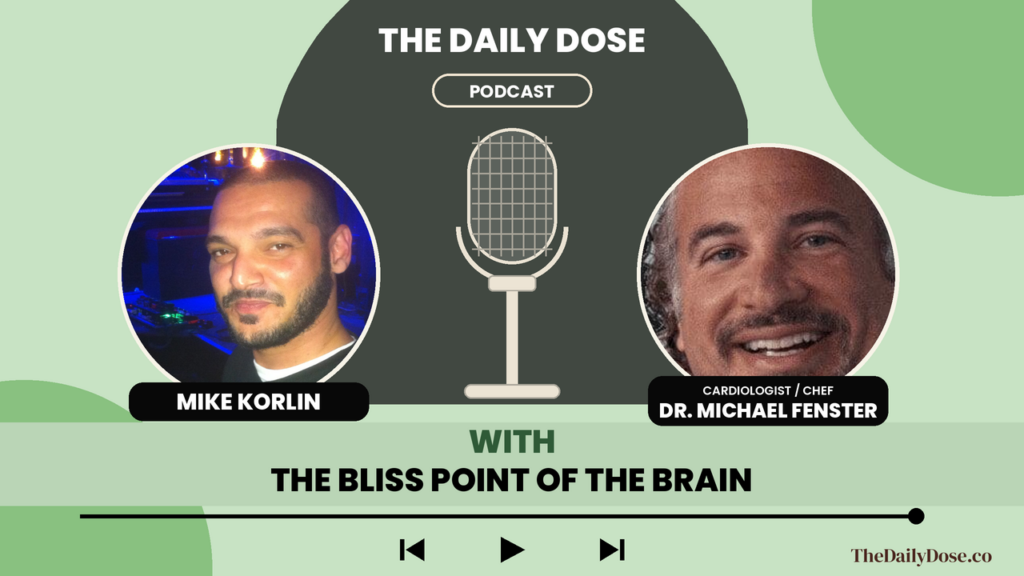
What is the bliss point of the human experience when it comes to plants, substances, drugs, and food? In this clip-based episode of The Daily Dose Podcast, I explore a term that most people have never heard of. It is called the bliss point, and I learned a lot about it from Dr. Michael Fenster, a cardiologist and chef.
Everything we interact with can produce chemicals in the brain. When the experience is positive, we feel good, and when it is negative, we feel bad. To understand how the things in our lives affect us, I think it helps to look inward first. This post is educational and not medical advice.
Key Takeaways
- The bliss point is a term food engineers use for the optimal combination of sweetness, saltiness, and richness that triggers a pleasurable response in the brain.
- In the clip, Dr. Michael Fenster describes how our species’ diet has changed over time, and how industrial agriculture and food processing got us to where we are.
- He says convenience is a huge factor, and that many modern foods are engineered to be hyper palatable, in his words “in other words addictive.”
- My take is that habits can form around almost anything, because biology and chemistry play such a large role.
- Being aware of the sensory and psychological factors behind food can help you make more informed choices.
- This conversation is educational and not a diagnosis or treatment plan.
Table of Contents
- Meet the Guest: Dr. Michael Fenster
- How the Brain Responds to What We Consume
- What Is the Bliss Point?
- Food Is Not the Only Place This Shows Up
- Making Informed Choices
- FAQ
- Educational Disclaimer
Meet the Guest: Dr. Michael Fenster
Dr. Michael Fenster is a cardiologist and chef. You can learn more about his work at chefdrmike.com. This episode is an interview clip from our longer conversation, which you can hear in full in our other episode, Food and Healthy Eating with Dr. Michael Fenster.
How the Brain Responds to What We Consume
Inside our minds and bodies we are made up of neurons, chemicals, and cells, all performing complex tasks every single day. To learn more about how these chemicals work when you consume everything in sight, you should check out the clip of Dr. Fenster. He describes the evolutionary changes in our species’ diet, and how we got to modern civilization through industrial techniques in agriculture, food processing, and more.
“The convenience is a huge factor,” he says, adding that the way foods are made today is engineered to be hyper palatable, “in other words addictive.” That is how the bliss point is determined by food engineers.
What Is the Bliss Point?
Food producers use a sophisticated understanding of human biology to create products that hit the elusive bliss point. The point represents an optimal combination of sweetness, saltiness, and richness that triggers a pleasurable response. The deliberate engineering of that combination is aimed at making processed foods more appealing, and those foods are often high in sugars, salts, and fats.
The brain’s reward system can respond to those carefully crafted combinations, which can contribute to a cycle of cravings and consumption. That is one reason food choices can feel so hard to control at times.
Food Is Not the Only Place This Shows Up
The truth is we only covered food in this episode, but much of what we encounter in life works in a similar way. I believe it is time to share and educate as many people as possible about habits, biology, and how we can use what we learn to take on some of the challenges of today.
When we think of addiction, we traditionally think of substance or alcohol abuse. Here is where I see things differently. In my view, it is not only about the substance. It has a lot to do with our biology, which is why people can develop habits around virtually anything. And because we are driven by chemicals, emotions, and desires, it is not difficult to be taken advantage of when we run our lives on autopilot. If you or someone you love struggles with compulsive habits, a qualified professional is the right place to turn.
Making Informed Choices
The sensory experience of food goes beyond taste. It also includes aroma, visual appeal, and mouthfeel, and our choices reflect cultural, personal, and health-driven preferences. The active choices we make in selecting and eating food are a negotiation between sensory desires and nutritional needs.
A few simple habits can help:
- Read ingredient labels with a curious mind.
- Notice when you are eating out of habit or convenience.
- Pay attention to how different foods make you feel over time.
- Talk to your doctor or a registered dietitian about your own needs.
Maintaining an active, informed approach to our dietary decisions empowers us to make choices that line up with both our pleasure-seeking instincts and our long-term well-being. Knowledge is power.
For everyday routines beyond the plate, see our Wellness Support category, and talk to a professional before adding supplements.
FAQ
The bliss point refers to a combination of sweetness, saltiness, and richness in food that triggers a pleasurable response in the brain. Food producers use their understanding of biology to create products that aim for it.
According to the discussion, they carefully craft combinations of sugars, salts, and fats to make processed foods more appealing, which engages the brain’s reward system and can lead to cravings.
Taste is only part of it. Aroma, appearance, and texture all shape our choices. Being aware of these psychological and sensory factors can help you make more informed decisions.
Dr. Fenster used the word addictive in describing hyper palatable foods, and I share my own view in the post that biology plays a role in habit formation. This is a conversation and not a medical diagnosis. If you have concerns about your relationship with food, speak with a healthcare professional.
Listen to the full audio on this page, and also to our other episode with him, Food and Healthy Eating.
Educational Disclaimer
This article is for educational purposes only and summarizes a podcast interview clip. It is not medical or nutrition advice and is not intended to diagnose, treat, cure, or prevent any disease. Please consult a qualified healthcare professional or registered dietitian about your own diet and health.
Related Articles:
- Understanding Your Neuro Performance With Jessica Foster
- Understanding Sleep And Insomnia With Dr. Lucinda Sykes
- Behaviors Under Stress Self Improvement Now
- Plant Medicines For Health And Wellness
- Top Benefits Of Collagen Beyond Skincare
Meet The Author